

Speaking
Keynotes
Katja's talks map the machine economy as it actually exists, built from boardroom work, published frameworks, and fieldwork that includes sitting with the companies building it in China. Every talk is tailored to the audience in the room. Every audience leaves with questions they didn't know to ask and a frame for answering them.
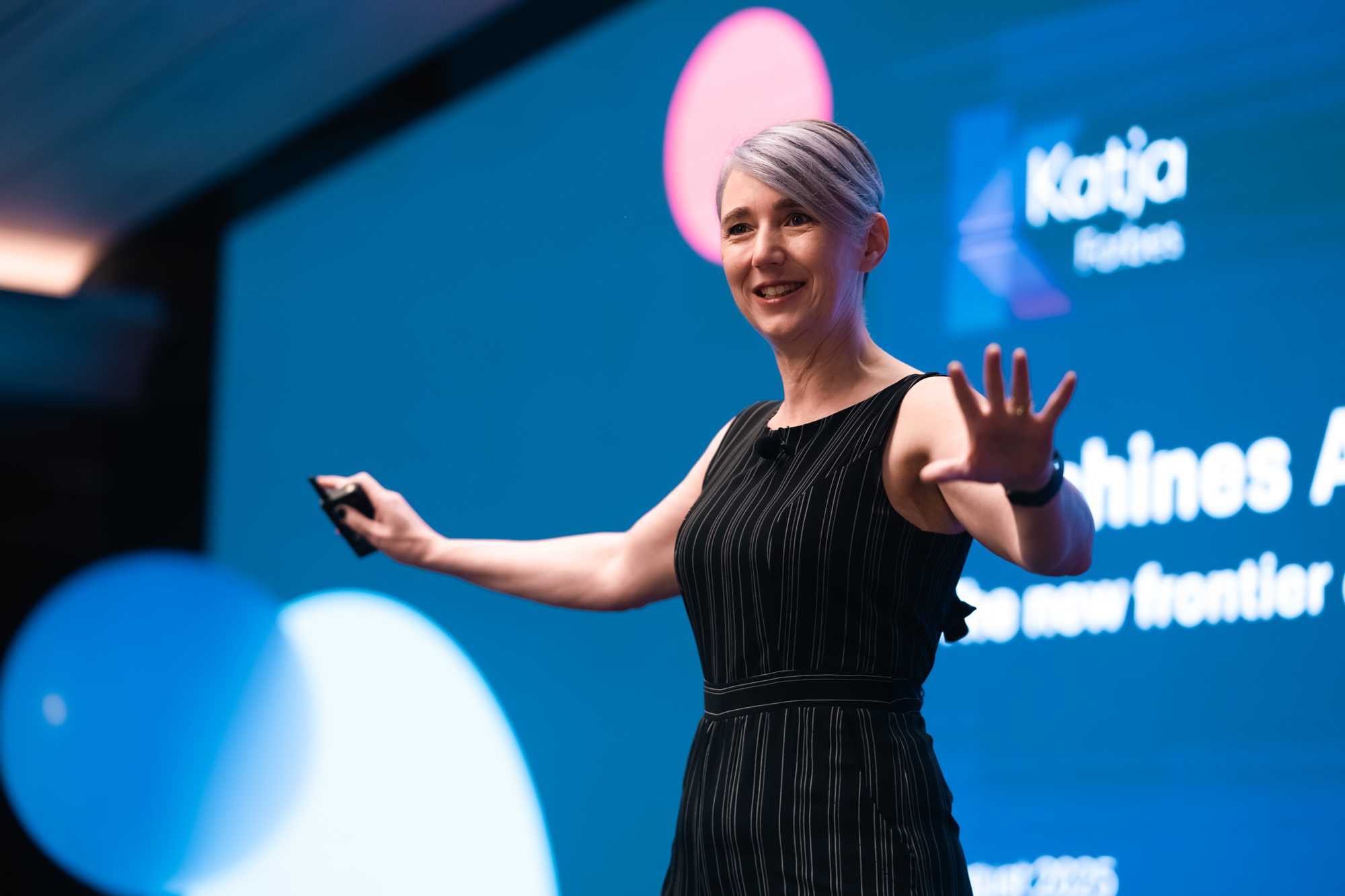
Boards, executive audiences, major conferences
When the Economy Isn't Human Anymore
For hundreds of years, the economy has run on a single operating assumption: that its actors are people, and the companies people run. That assumption is expiring. AI agents and autonomous systems are now buyers, negotiators, payers, and workers. Nation states are rewriting their own operating models around them: the UAE has committed to running half its government on agentic AI by 2028. Robinhood has launched credit cards and trading accounts built for AI agents, not people. In logistics, autonomous vessels are beginning to move the world's goods without human instruction.
This keynote maps the machine economy as it actually exists now, and lands on the question underneath all of it: when the economy gains a non-human layer, who sets the terms it runs on? Someone is writing that rulebook. Katja shows boards what it contains and what it means before it is decided for them.
Key takeaways
- A clear map of where machines are already acting as economic agents, across commerce, finance, logistics, and government, with current, named global evidence
- The Commercial Sovereignty framework: a structured way for your leadership team to assess whether you are setting the terms of the machine economy or inheriting someone else's
- The two questions every board is currently underprepared for: which jurisdiction's rules will govern your machine customers, and how would your finance team know if your AI agents were silently losing every negotiation
- The immediate strategic priorities for organisations that want to be at the table when the rules of the machine economy are written
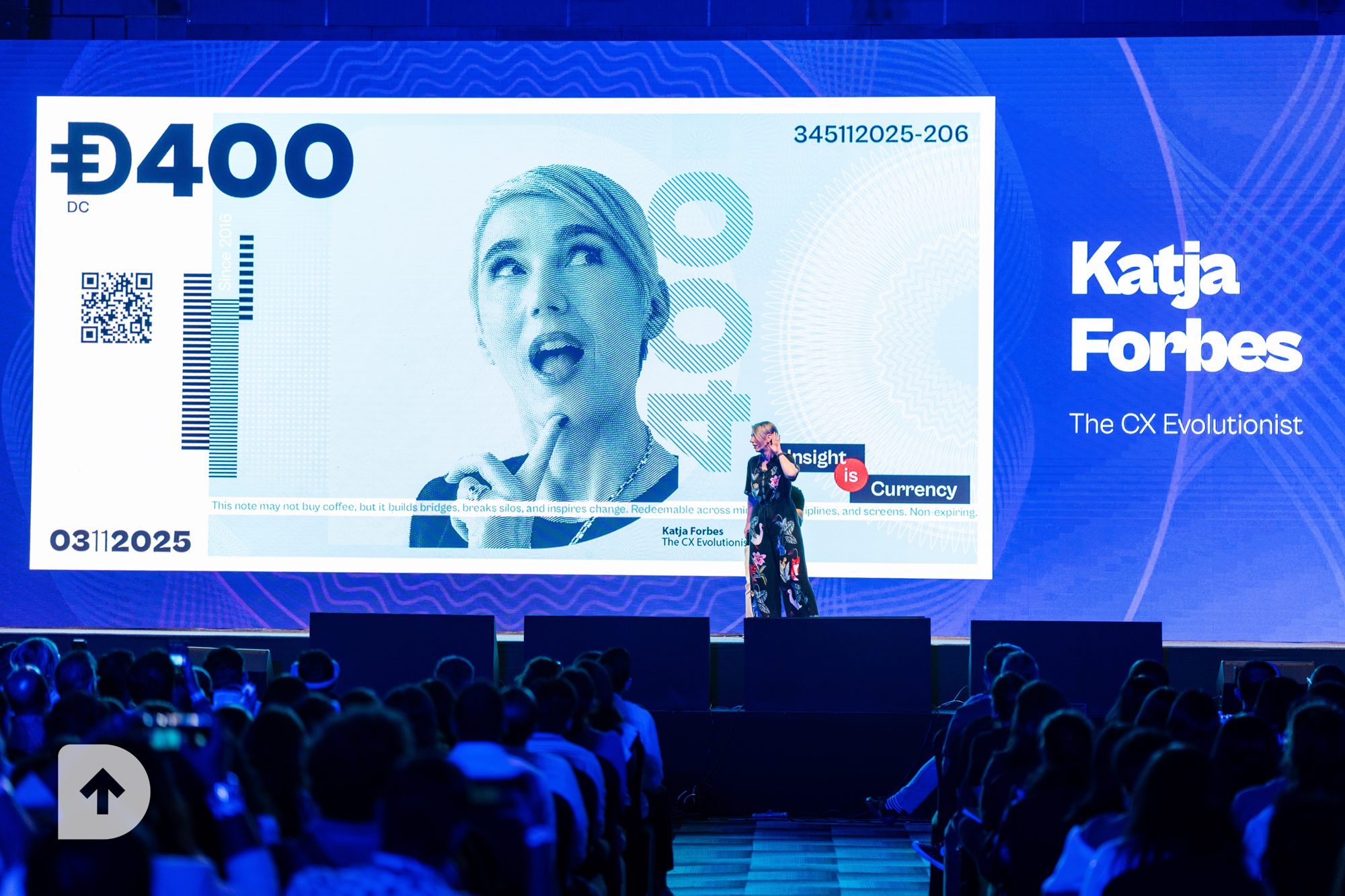
For audiences who think they have time
The Machine Economy: What the World's Fastest Movers Already Know
The machine economy has a leading edge, and it is not where most Australian organisations are looking. Across the UAE, China, the United States, and parts of Europe, the infrastructure of agentic commerce is already operational. AI agents are buying, negotiating, and transacting with real money. Nation states are rebuilding their own operating models around non-human actors. The organisations at the frontier are not theorising about what AI will do to their business. They are learning what it is already doing to their competitors.
The UAE has committed to running half its government services on agentic AI by 2028. Alibaba processed 120 million agentic commerce transactions in six days. Robinhood has launched credit cards and trading accounts built for AI agents, not people. In logistics, autonomous vessels are beginning to move the world's goods without human instruction. In elder care, companion robots are one feature release away from not just managing care but procuring it. The common thread across all of it is not the technology. It is the speed at which the gap between "the machine assists" and "the machine decides" is closing.
Drawing on current global intelligence spanning multiple markets and industries, this keynote gives senior leaders a clear, evidence-based picture of where the machine economy stands now: what the fastest movers have already built, what is coming next, and what every organisation needs to prepare for before the window to set their own terms closes.
Key takeaways
- Current, specific evidence that machine commerce is operational today across multiple geographies and sectors, not theoretical, not pilot-stage, not five years away
- What the world's fastest-moving organisations have in common, and what that tells every other market about where its own competitive environment is headed
- A practical gap analysis, not a future-state maturity model, but an honest assessment of where your organisation stands against conditions that already exist
- The questions every board needs to be asking now, and the decisions that become significantly harder once the machine economy's infrastructure is set
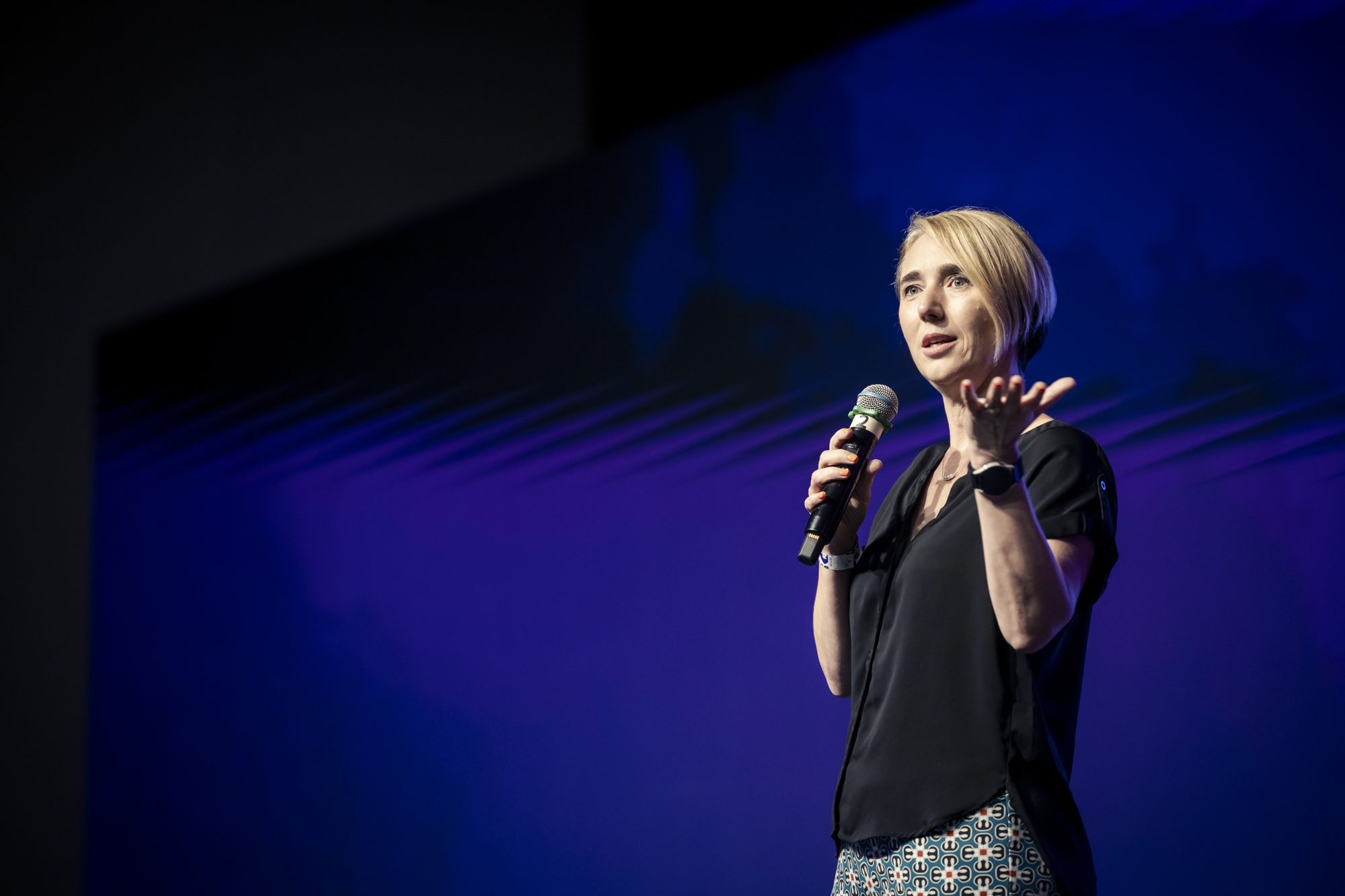
For CMOs, brand and marketing leaders
Does Your Brand Survive Agentic AI?
For decades, marketing has run on a single assumption: that a human makes the choice. Build enough emotional resonance and people pick you. But the first buyer is increasingly not human, and an AI agent feels nothing. It evaluates, filters and selects based on structured, verifiable, machine-readable signals. The part that should worry every CMO is the old playbook doesn't just stop working on agents. It counts against you. Advanced models read the hard sell as a manipulation signal, and mark you down for it.
This isn't a 2030 scenario. Delegated agents already trade and spend for tens of millions of people; the largest agentic-commerce market on earth, China, already runs at a billion-consumer scale. The brands that built their whole competitive position on what people feel are now exposed to a buyer they can't charm.
Drawing on her work with CMOs from global financial institutions and MNCs, Katja maps the Three Altitudes of Agentic Commerce and confronts the question beneath them all: when every competitor is equally accessible to the machine, what makes an agent choose you, and who controls that choice? She calls it Commercial Sovereignty. The job of brand is shifting from governing what people believe about you to governing what your agents do in your name, and how you allow other people's agents to engage with your organisation. The brands that encode their values into verifiable signals stay differentiated. The rest become an interchangeable feed.
Key takeaways
- Why decades of brand storytelling fails to move an AI agent, and why pushing harder backfires
- The Three Altitudes of Agentic Commerce: a board-level map of where your brand stands today, from machine discoverability, through operational trust, to the values that become decisive when every competitor is equally accessible
- How to turn brand values into machine-readable, third-party-verifiable signals, with real examples
- Commercial Sovereignty: why agent-mediated commerce is a question of power, not technology, and how to hold your customer relationship instead of becoming a fulfilment mechanism
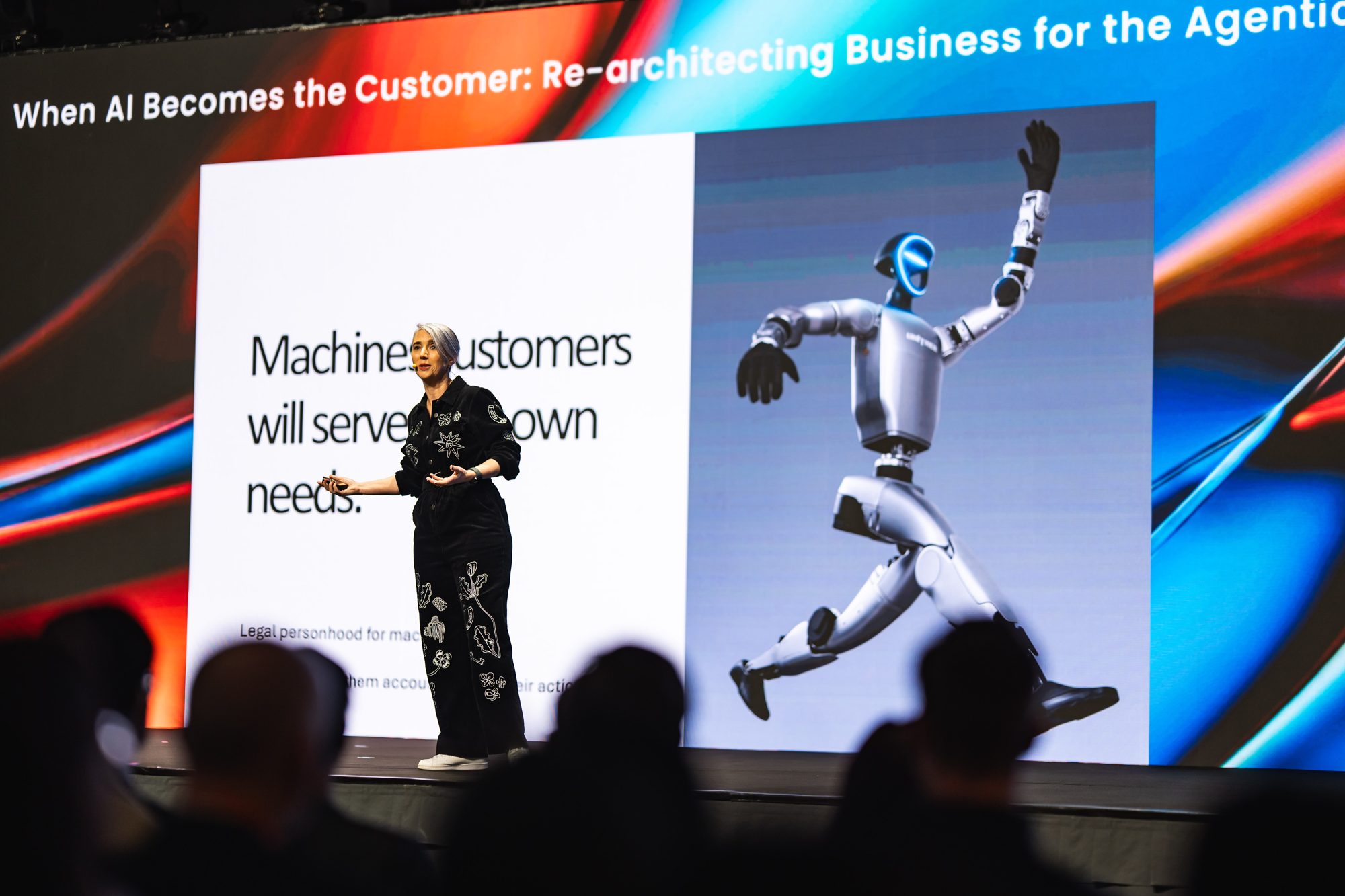
CX, product, commerce and strategy audiences
Your Next Customer Won't Be Human
For decades, business strategy has rested on a single assumption: that the customer is human. That assumption is now expiring. AI agents and autonomous systems are already buying, negotiating, and transacting on behalf of the people and companies they serve, and the organisations built around human customers are not yet built to serve them.
Drawing on proprietary Machine Customer Experience frameworks and nearly a decade of research, Katja maps the machine customer landscape as it actually exists today, the commercial stakes of getting it wrong, and the strategic decisions every organisation needs to make now. This is not a talk about AI in your workflow. It is about AI as the entity doing business with you.
Key takeaways
- What machine customers are, how they behave, and why they require a completely different commercial strategy to human customers
- The Five Faces of Machine Customers: a practical tool for identifying the non-human buyers your organisation is likely to encounter and what each one means for your revenue, risk, and relationships
- Where your organisation sits on the MCX Maturity Model, and the specific steps to close the gap before your competitors do
- The two questions every leadership team needs to answer before the year is out
The organiser's metric
Would we book her again?
Event organisers measure a speaker one way: would we book her again? Aquent has, three times. DesignUp, nine. CX Asia Week made her chair, then kept her for four consecutive years. Customer Experience Live has trusted her to run entire conferences across three years and four cities: Dubai, Manchester, Singapore and Kuala Lumpur.
We’ve had the pleasure of hosting Katja as a keynote speaker three times. Katja’s knowledge is very deep, and she has a knack of demystifying complex information into easily digestible snippets. Her straight-forward communication style and great sense of humour endeared her to the audience. I wouldn’t hesitate to invite Katja back.Carolyn Hyams · Marketing Director Australia, Aquent
Every talk, tailored.
Katja works with your team ahead of the event to calibrate altitude, examples and industry relevance. A board dinner is not a 3,000-seat plenary, and the talk shouldn't pretend otherwise. Available worldwide, in person and virtual.